gloss blog.png

What a Gloss Actually Does

What a Gloss Actually Does (And How Often You Need One)

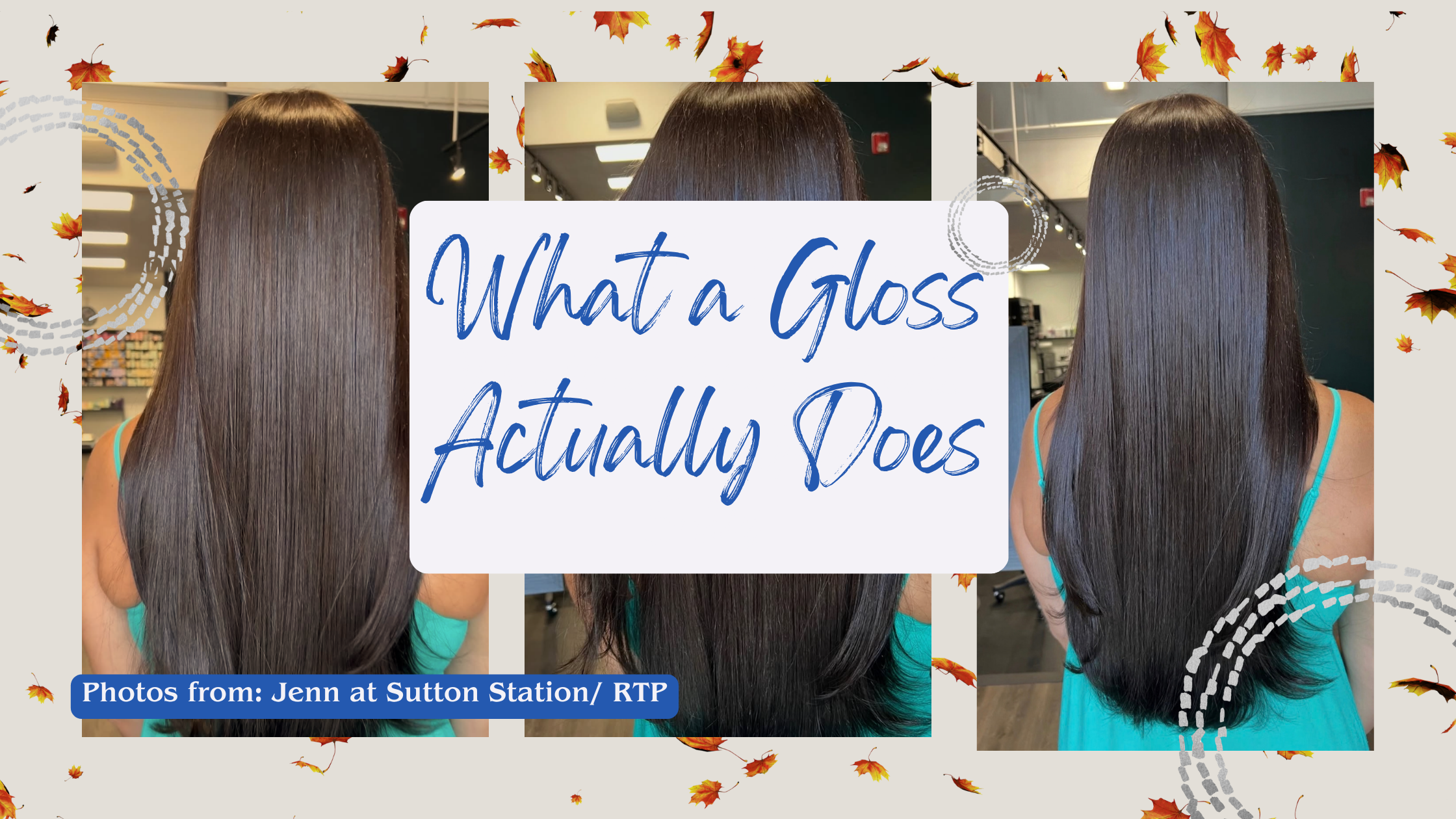
Your color looked incredible when you left. Six weeks later it looks fine. Not wrong exactly. Just quieter. Less shiny, a little warmer than you remember, slightly flat in a way that is hard to name.

Nothing went wrong. Color does that. And there is a short appointment that undoes most of it.

Fall is when this shows up the most. A summer of sun, chlorine, and salt water pulls more tone out of hair than any other season, so if your color has been fading quietly since June, you are not imagining it. A gloss at your next color appointment is the easiest way to bring it back before you settle into your fall look.

1.png

What a gloss is

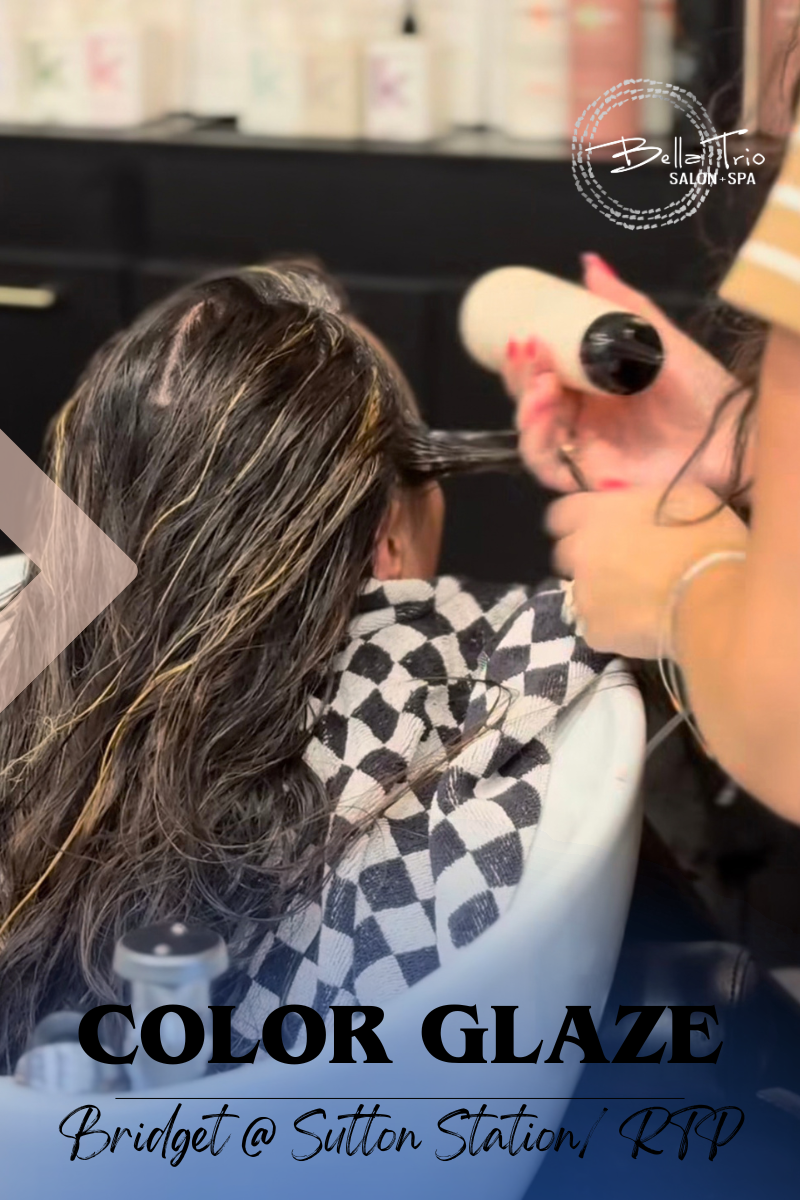
A gloss is a translucent, low-commitment color service that sits on the surface of the hair rather than lifting or restructuring it. It has two jobs: adjust tone and add shine.

Think of it as the difference between repainting a wall and cleaning it. Your color placement stays exactly where your stylist put it. The gloss refreshes what is sitting on top of it.

A gloss can be clear, which is purely about shine and smoothness, or tinted, which corrects tone. Tinted glosses are where the real work happens. If your blonde has gone warm, a cool gloss neutralizes it. If your brunette has gone flat, a gloss puts depth and richness back. If your copper has faded, a gloss restores the vibrancy without a full color service.

We wrote a longer piece on toner, gloss and glaze, because the words get used interchangeably.

Why hair goes dull in the first place

Three things are happening, and none of them are your fault.

Color molecules leave. Every wash carries some out. Warm tones, especially red and copper, have the largest molecules and go first. This is why copper fades fastest and why a faded copper often looks more orange than it did on day one.

The cuticle roughens. Fresh from a color service, the outer layer of your hair lies flat and reflects light evenly, which is what shine is. Heat styling, hard water, friction, and time all lift that layer slightly. Light scatters instead of reflecting and the hair reads dull even though the color is still technically there.

Minerals build up. Depending on your water, minerals deposit on the hair over weeks. They dull shine and can shift tone, often toward brass.

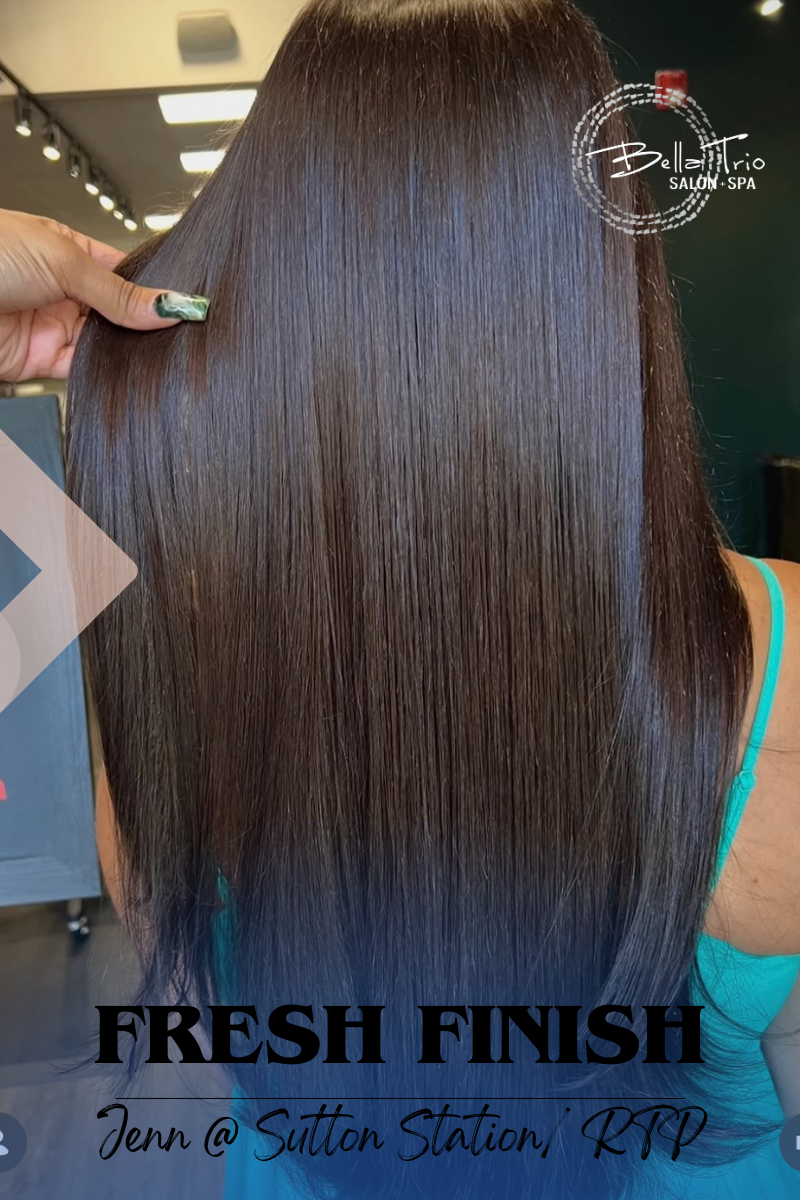
A gloss addresses all three. It re-deposits tone, smooths the cuticle, and gives you back the reflective surface that made your color look new again.

2.png

How often

There is no universal number, but a useful rule is one gloss between full color appointments.

If you see your colorist every eight to twelve weeks, a gloss around the midpoint keeps the color from having a visible slump. If you are on a longer lived-in color schedule, glossing becomes more important, not less, because it is doing most of the visible work between appointments.

Some guests build the gloss into a haircut appointment, which is efficient. It is a short service and it pairs well with a trim.

Who benefits most

Blondes. Unwanted warmth is most visible on light hair, and toning is what keeps blonde looking deliberate rather than accidental.

Anyone with copper or red. These fade fastest. A gloss is significantly less time and less commitment than re-coloring, and it holds the color between full services.

Brunettes. Under-appreciated use case. Brunette does not fade obviously, it just loses depth and shine. A gloss brings back the dimension that makes dark hair look rich rather than heavy.

Anyone growing out color. A gloss can soften the difference between colored ends and natural regrowth, which makes a grow-out much easier to live with.

Anyone who has never colored their hair at all. A clear gloss on virgin hair is purely a shine treatment and it is genuinely lovely.

3.png

What a gloss will not do

It will not lift. If you want to be lighter, that is a color service.

It will not cover gray fully. It can blend and soften gray, which is sometimes exactly what a guest wants, but it does not deliver opaque coverage.

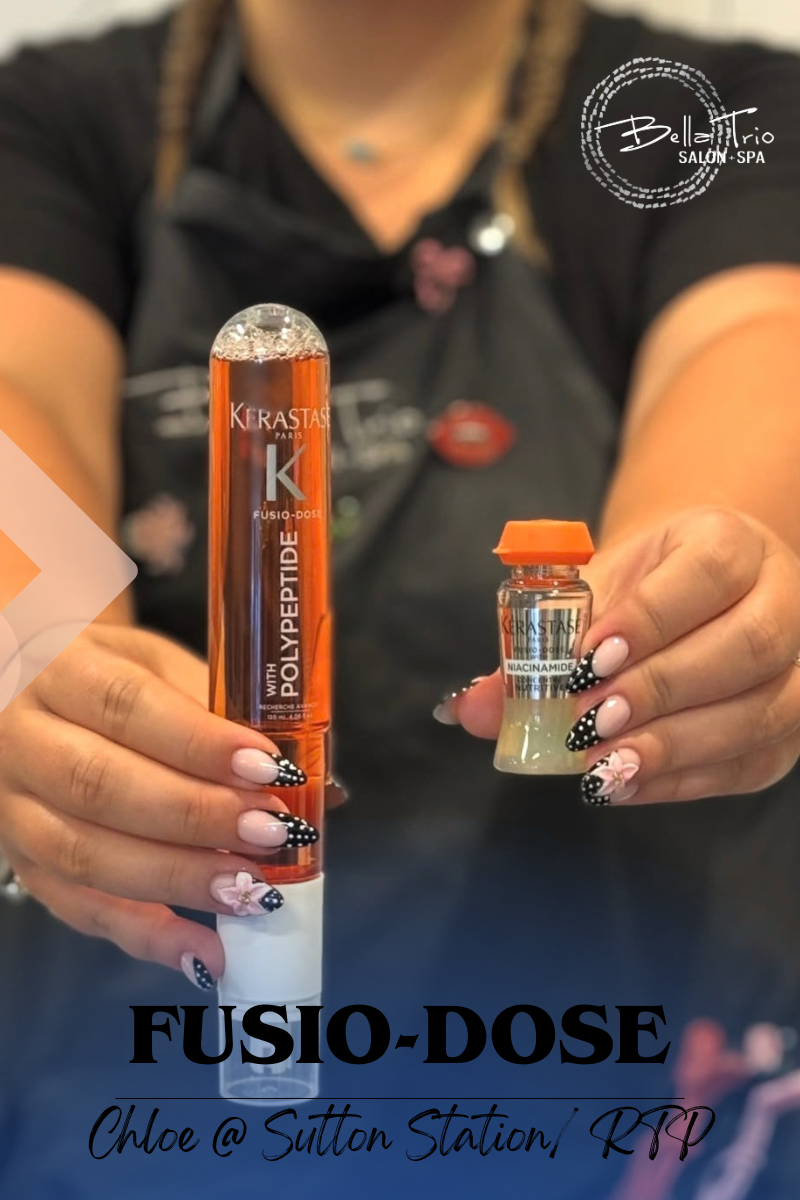
It will not fix damage. Shine and health are related but not the same thing. If your hair is dry or compromised, a gloss will make it look better temporarily while a treatment addresses the actual condition. Those two services work well together, and a customized Fusio-Dose by Kérastase is a popular pairing. We carry KEVIN.MURPHY treatments as well.

Making it last at home

The gloss will hold longer if you help it.

Wash less often. Every wash costs you tone. Two to three times a week is a reasonable target for most people, with dry shampoo between.

Turn the water down. Hot water opens the cuticle and lets color out. Lukewarm is enough, and no, you do not need to shower in cold water. That has never been the ask.

Use home care built for color. Kérastase, KEVIN.MURPHY, and L'Oréal Professionnel all have lines designed to hold tone and protect color between visits, and matching the line to your hair makes a real difference between visits. Ask your stylist, or see what we carry.

Use heat protection. Direct heat on unprotected hair roughens the cuticle, and a rough cuticle is a dull cuticle no matter how good your gloss was.

The honest math

A gloss is a short appointment that meaningfully extends the life of a much longer one. That is the entire argument.

If low maintenance is your goal, glossing is not a luxury add-on. It is the mechanism that makes the low-maintenance version of color actually look good for the whole stretch rather than just the first month of it.

Add a gloss to your next visit and refresh your color for fall, or book one on its own. It is a short appointment with a noticeable payoff.