The Grow-Out Is the Whole Point: A Guide to Lived-In Color

Lived-In Color

Lived-In Color: Why Your Colorist Wants Your Roots to Grow Out Softly

There is a specific moment most people know well. You are six weeks past your color appointment, you catch your reflection in a car window, and there it is. A line. A visible border where your color stops and your actual hair begins.

For a long time, that line was just the cost of coloring your hair. You booked, you loved it, you watched it drift, you booked again. Every six weeks, forever.

Lived-in color exists because a lot of people quietly decided that math did not work for them anymore.

 lived-in hair color

What lived-in color actually means

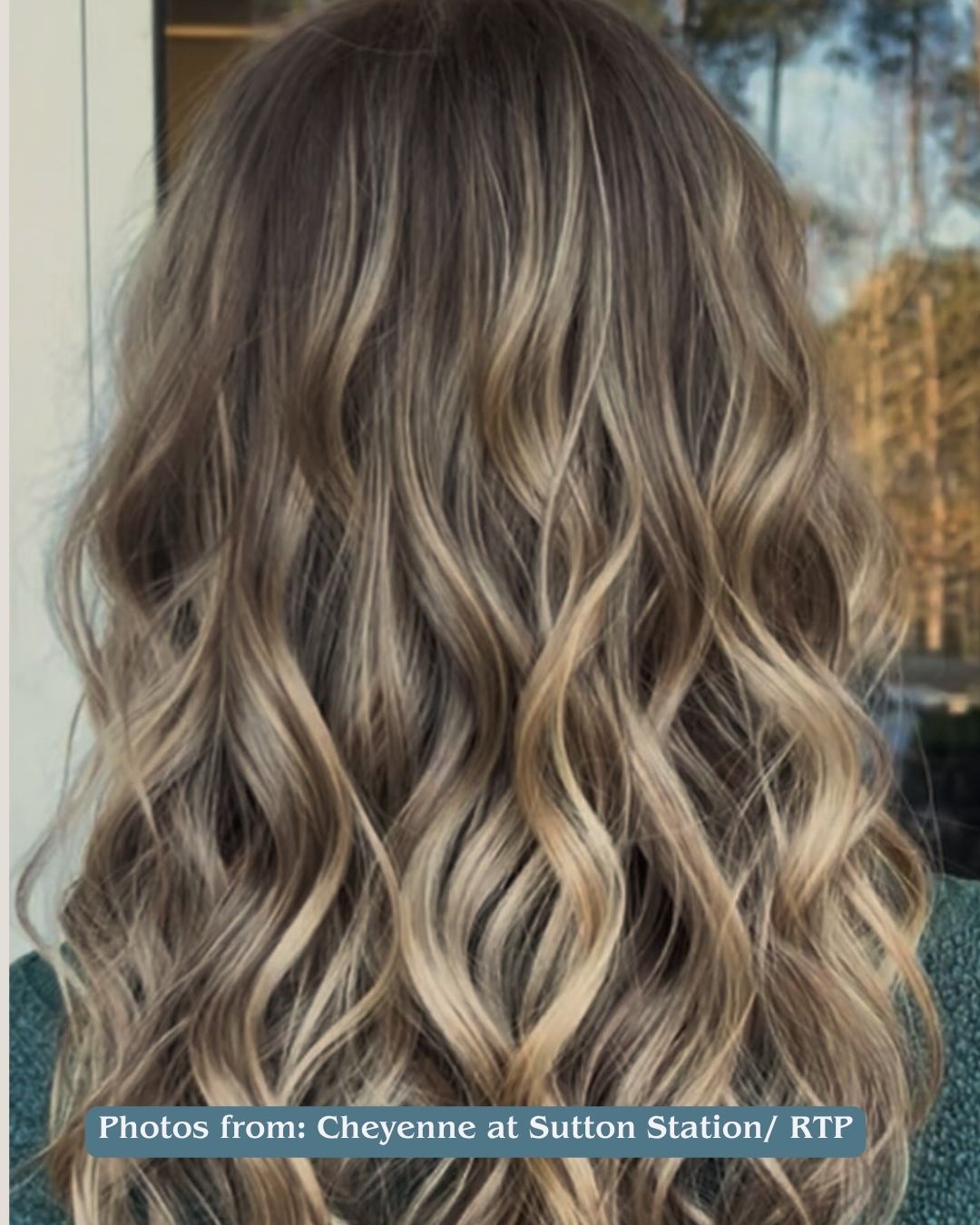
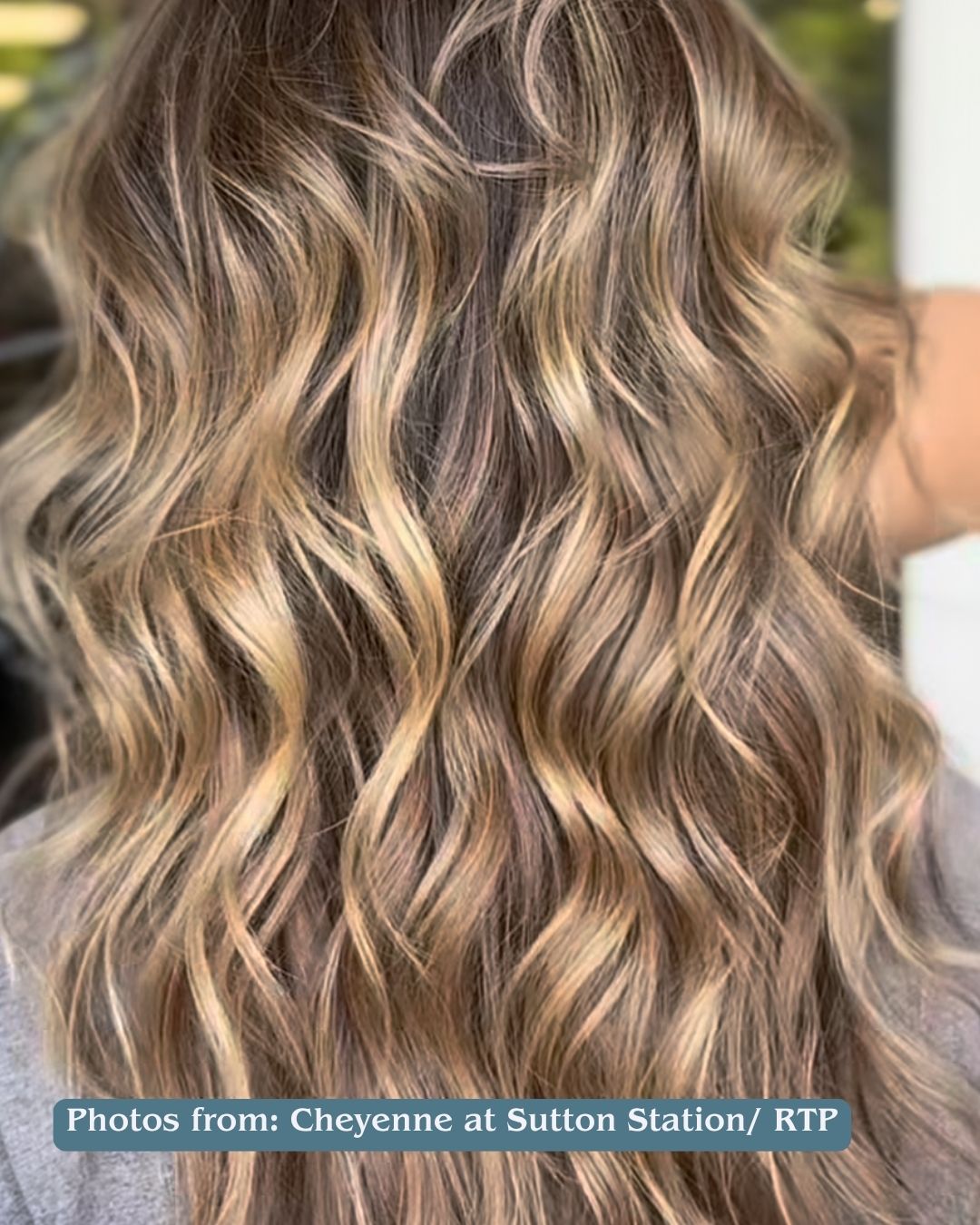
Lived-in color is not one technique. It is a philosophy that shapes several techniques, and the shared goal is simple: place color so that the grow-out looks intentional rather than neglected.

That usually means three things working together.

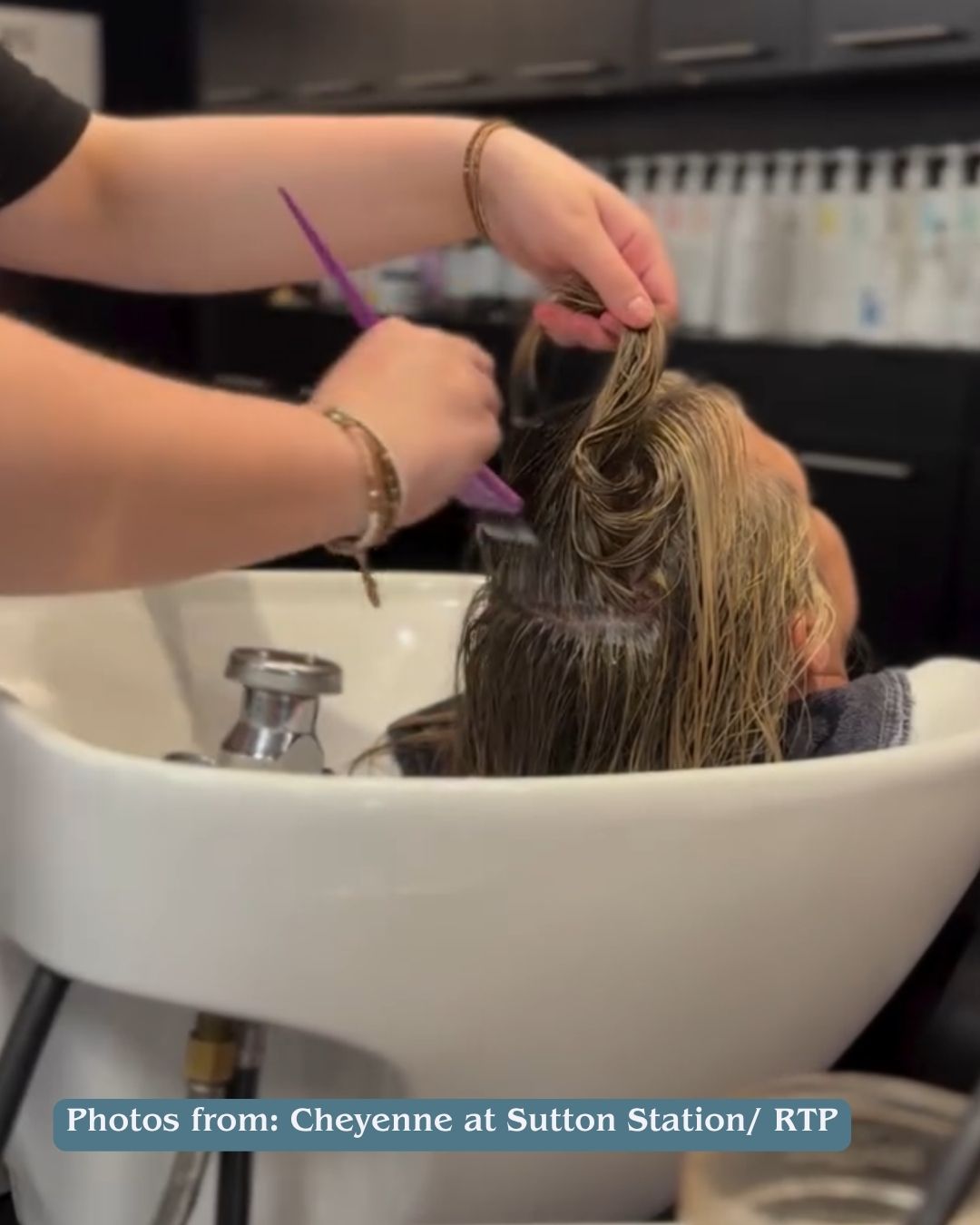
Hand-painted placement. Instead of taking color to the scalp in uniform sections, your stylist paints it where light naturally hits, softer near the root and brighter toward the ends. Balayage is the most familiar version of this, and it is worth understanding on its own if you have never had it. Because the color is diffused rather than lined up, it blurs as it grows instead of drawing a border.

A root shadow or root melt. This is a soft, deliberately darker tone worked through the first few inches of hair, blended so there is no start and stop. It gives dimension at the root, which is where hair looks flattest, and it means your natural regrowth has somewhere to arrive.

Tone that lives close to your natural. The further your color sits from what grows out of your head, the harder it works to stay believable. Lived-in color usually stays within a few levels of your natural base, which is why it can go months between appointments without looking like it is falling apart.

Put together, the effect is hair that looks like it was always this color, and that you have simply been outside a lot.

The Grow-Out Is the Whole Point

Who it works well for

Lived-in color suits you if any of this sounds familiar.

You want your color to look good on week ten, not just week one. You have a schedule that does not reliably produce a free Saturday every six weeks. You are growing out a previous color and want the transition handled with intention. You have gray coming in and want blending rather than full coverage. Or you simply like the way soft, sun-touched color looks better than uniform color, which is a completely legitimate reason on its own.

If gray is what brought you here, we have written separately about the best approach for your gray, because that decision deserves its own conversation.

Where lived-in color has limits

Lived-in color is not the right call if you want a dramatic, uniform, all-over change. Solid platinum, jet black, and true fashion colors all require regular root work by definition. There is nothing wrong with wanting those. They are simply a different commitment, and a good consultation will name that out loud rather than talking you into something you did not ask for.

It also is not a way to skip your stylist entirely. Lived-in color stretches the time between full appointments, but tone still shifts. Which brings us to the part people tend to skip.

low maintenance hair color, balayage grow out, root melt

The maintenance that makes low maintenance work

The phrase is a little misleading. Lived-in color is lower maintenance, not no maintenance, and the difference sits in two places.

Glossing. A gloss refreshes tone without touching placement. It is the reason a lived-in color still looks fresh in month three instead of dull and slightly brassy. Most guests do well with a gloss somewhere in the middle of their color cycle. If you have ever wondered how a gloss differs from a toner or a glaze, we broke that down in an earlier post.

Condition. Lived-in color relies on shine to read as intentional. Dry hair reads as grown out even when the placement is perfect, because dull ends flatten the dimension that makes the whole thing work. A professional treatment at your appointment does more for the look than most people expect. Our stylists customize a Fusio-Dose treatment by Kérastase to what your hair needs that day, and we carry KEVIN.MURPHY treatments as well.

What you use at home matters just as much. Kérastase, KEVIN.MURPHY, and L'Oréal Professionnel all make lines built specifically to keep color healthy and lasting, so your tone holds instead of drifting. Our team can point you to the right one for your hair type at your next visit.

How to ask for it

You do not need to know technique names. You need to describe the outcome.

Bring photos, including one of hair you do not like. That second one is often more useful than the first. Say what your mornings look like, because a color that needs styling to make sense is not low maintenance no matter how it is placed. And say whether you want to be lighter overall or just brighter in places, because those are two different appointments.

Then let your stylist tell you what your hair can do. Hair has a history. Previous color, heat, and texture all set the boundaries of what is achievable in one visit, and a stylist who tells you it may take two appointments is being accurate, not difficult.

The real reason this trend has staying power

Most beauty trends move because something new looks exciting. This one has held for years because it solves an actual problem: the gap between how often people want to see their colorist and how often their color demanded it.

Lived-in color closes that gap. You still come in. You just come in because you want to, on a timeline that fits your life, rather than because a line appeared and you had no choice.

That is a better relationship with your hair, and it happens to be a better relationship with your salon too.

Ready to talk through what lived-in color would look like on your hair? Book a color consultation with any of our stylists.